Cat Toy Supplier Guide for Brands: Specs, MOQ, QC & Sampling

A cat toy supplier search usually means you already know the cute catalog photos. What you need next is a factory (or factory-backed partner) that can repeat the same seam, the same wand knot, and the same carton count on reorder. This guide is for brand owners, Amazon sellers, and retailers who place real purchase orders — not for people hunting the cheapest single SKU on Alibaba.
We will walk through how buyers brief a cat toy supplier, what MOQ and sampling look like in practice, which QC checks actually protect margin, and when stock wholesale should give way to ODM or private label.
What B2B buyers mean by "cat toy supplier"
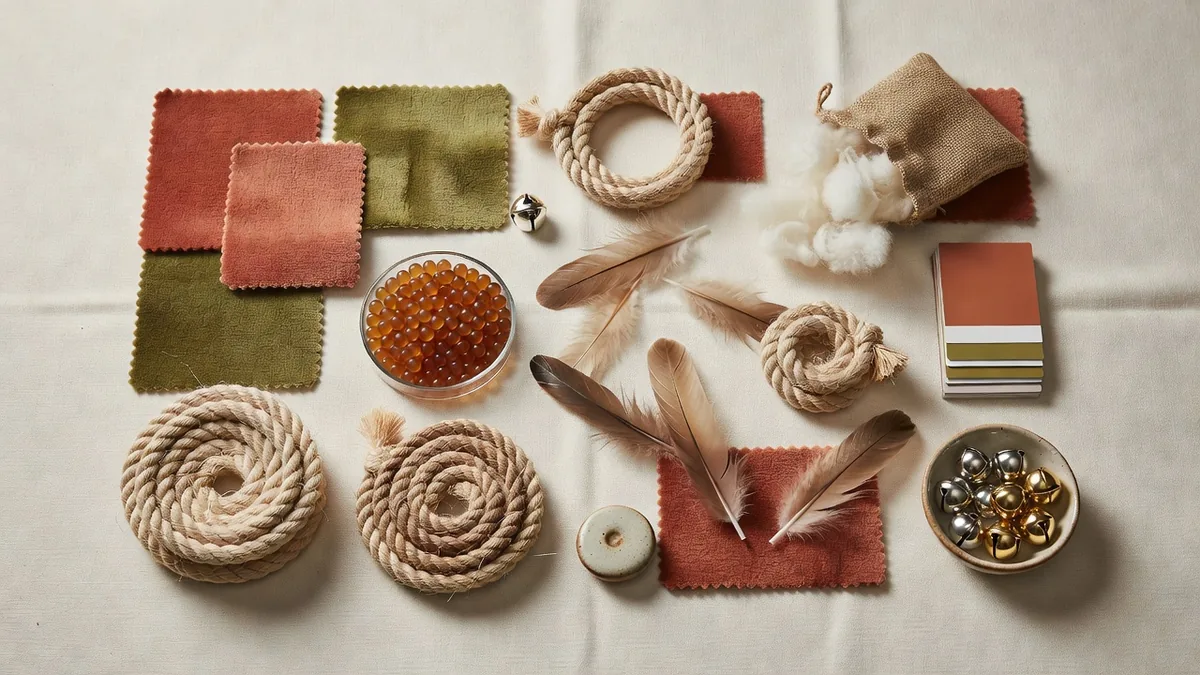
Retailers and marketplace sellers rarely buy "toys" as a vague category. They buy constructions:
- Feather and ribbon wands (shafts break in transit if they are cheap)
- Plush mice and food shapes (eyes and seams drive returns)
- TPR / plastic balls with bells (drop tests and small-part risk)
- Catnip and silvervine pouches (shelf life and odor)
- Sisal scratch balls and cardboard scratchers (fray and glue smell)
A useful cat toy supplier can tell you, in writing, which of those are stock cores with fast reorder and which need molds, dye lots, or custom packaging. If every email reply is "we can do anything," treat that as a yellow flag — you are talking to a trading desk that will shop your order later.
Start from the live products catalog to see how assortment is usually grouped before you RFQ ten random photos from social media.
Spec checklist to send with every RFQ
Factories quote what you write down. Attach a one-page brief and keep it versioned:
1. Market and channel — US Amazon FBA, EU retail, indie pet shops, subscription boxes
2. Pet size / play style — kitten, adult indoor, multi-cat household
3. Materials you accept — and materials you refuse (example: no PVC if that is a brand rule)
4. Brand marks — woven label, heat transfer, printed hangtag, color box
5. Target landed cost band — a range beats "as cheap as possible"
6. First PO quantity + reorder plan — e.g. 500 pcs per SKU trial, 2,000 pcs if sell-through hits X
7. Compliance — CPSIA / ASTM where relevant, EN71 / REACH for EU, preferred lab
8. PDP pack-out — how the unit must look in listing photos
That brief becomes your change log. When someone on your team shortens the wand shaft mid-sample, update the brief and the cost sheet together. Midstream "small tweaks" are the main reason sample quality and bulk quality diverge.
If you only have moodboards and competitor links, use an ODM path so the factory turns sketches into measurable specs instead of guessing.
Materials and constructions that fail first
Cat toys look simple until freight, humidity, and real claws hit them. Brief your cat toy supplier on failure modes, not only aesthetics.
Wands: thin plastic shafts snap in cartons; string knots slip; feathers shed if the tip wrap is lazy. Ask for spare feather packs as attach-ons — they sell and they reduce returns when tips wear out. Plush: weak eye/nose pull strength, uneven stuffing, and loose embroidery create marketplace complaints fast. Agree on a pull-test method and a stuffing weight tolerance in grams. Balls and rollers: shell cracks on drop tests; bells escape; bounce feels different SKU to SKU. Ask for a small drop sample set before you lock the mold. Catnip / silvervine: under-dosed fill smells dead on the shelf; over-moisture invites mold. Ask for lot notes and a shelf-life claim you can defend. Sisal / cardboard: edge fray and strong glue odor dominate one-star reviews. Smell the sample after it sits in a sealed bag for 24 hours, not only when you open the courier package.Do not invent lab numbers in your RFQ. Ask which tests the factory already runs and which you must book third-party. Never accept verbal "we are certified" without a document tied to the exact construction.
Quality control that protects margin
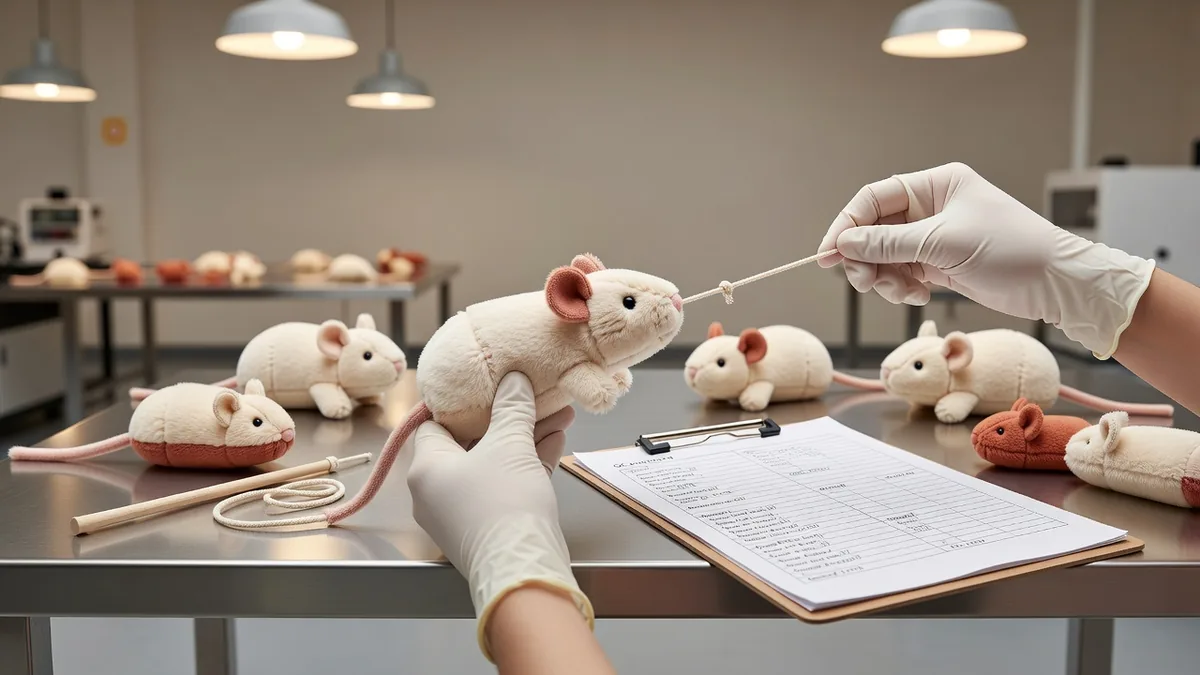
Returns eat profit faster than a slightly higher unit cost. Put QC into the PO, not into a hopeful email after cargo is booked.
Incoming materials- Fabric lot color against approved lab dip or Pantone
- Feather cleanliness and shaft straightness
- Herb lots for catnip (moisture, mold, odor)
- Thread, stuffing, and plastic parts with basic declarations where your market needs them
- Seam strength on plush
- Knot and glue points on wands
- Bell insert security on balls
- Weight variance on filled toys (± agreed grams)
- AQL sampling even on small trials — start the habit early
- Carton drop test if multipacks are fragile
- Barcode scan against your SKU / ASIN map
- Photos of open cartons before sealing
For US-bound goods, plan lab timing so certificates exist before cargo booking. Booking a container and then discovering a heavy-metal fail is an expensive lesson most buyers only want once.
Keep a shared defect log. If round-one bulk had loose string knots, that defect should sit on the inspection checklist for reorder — not only in someone's inbox.
Sampling timeline and what "good" looks like
A typical first engagement with a cat toy supplier looks like this:
1. Brief review and material recommendation (2–5 business days)
2. Prototype or first sample (often 7–20 days; tooling adds time)
3. Buyer feedback and optional revision sample
4. Pre-production sample locked against the PO
5. Bulk with in-line and final inspection
Budget freight both ways on samples, plus lab fees if your market requires them. Cheap samples that skip compliance often become expensive recalls later.
Sign off in writing. A photo of the approved sample on a desk, plus a one-line email ("PPS approved for PO-####"), beats a Slack thumbs-up when something goes wrong three months later.
Packaging, labeling, and export pack-out
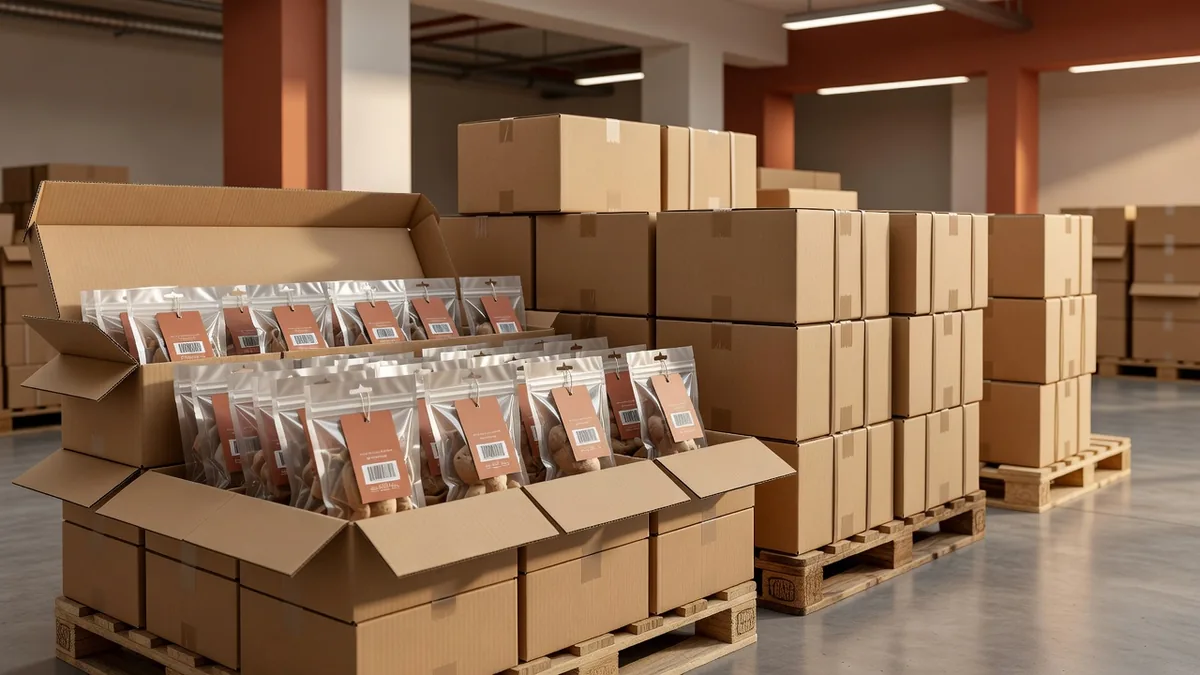
Wholesale and brand buyers lose margin when packaging is an afterthought. Align early on:
- Inner polybag thickness and print
- Hangtags, care labels, barcode placement
- Master carton dimensions and drop-test expectations
- Multi-language warning copy for target markets
If you sell on marketplaces, confirm that pack-out photos match the shipped unit. Inconsistent packaging is a top reason for customer returns on pet toys.
For brand-owned lines — your logo on hangtags and cartons — pair stock cores with a private label path instead of forcing every SKU through full tooling on day one.
MOQ, cost, and the mistakes that burn first orders
MOQ is not a single number. It is construction + color count + packaging complexity. Stock plush mice might move at a few hundred pieces; a new wand mold with three custom colors and retail boxes will sit higher.
Common buyer mistakes:
- Choosing on unit price without freight, testing, and packaging
- Skipping durability checks with real pets or lab proxies
- Vague artwork files that stall logo application
- Ignoring packaging compliance (barcodes, warnings, language)
- Changing materials mid-sample without updating the cost sheet
- Ordering bulk before the pre-production sample is signed off
- Assuming the factory "just knows" your market's labeling rules
Ask for a cost sheet that separates tooling, samples, lab tests, and unit price. If the quote is one line with no breakdown, you cannot manage change orders later.
Stock wholesale vs ODM vs private label
Not every program needs a new mold. Many resale and early brand lines start with stock cores from a capable cat toy supplier, then layer branding.
| Path | When it fits | What you own |
|------|----------------|--------------|
| Stock / wholesale | Fast reorder, proven constructions | Assortment mix, pack-out options |
| ODM | You have a concept, need design-to-sample help | Spec, materials, form factor |
| Private label | Brand identity must own packaging and story | Hangtags, boxes, naming, photography |
Browse products for constructions that already ship, then decide whether ODM or private label is worth the extra lead time.
How WagNab works with brand and wholesale buyers
WagNab manufactures pet toys for overseas B2B partners — sampling desks, QC gates, and export pack-out included. Teams evaluating a cat toy supplier usually start with a short brief: target pet, material preference, logo method, first-order quantity, and destination market. From there we map a realistic sample plan and flag compliance needs before tooling money is spent.
When you are ready, contact WagNab with that brief. We will reply with sampling options and lead times that match the constructions you shortlisted — not a generic brochure.
Decision checklist before you place the PO
Use this before you commit cash:
- Spec sheet signed and versioned
- Sample approved in writing (photos + physical if needed)
- QC plan and AQL agreed
- Packaging dieline approved
- Incoterms, payment terms, and lead time written into the PO
- Room for one revision cycle without killing the launch window
If any item is still verbal-only, pause. Most post-shipment disputes on pet toys come from unwritten assumptions, not from bad intent.
Choosing a cat toy supplier is a process decision. Define specs, test samples, lock QC, then scale. Share your target SKU brief via contact when you want sampling options tied to real MOQ and ship windows.
Ready to Build Your Next Collection?
From material selection to final delivery, we help brands bring pet toys to market.