Gramercy Products LLC: What Pet Buyers Should Know Before You Source

Search traffic for Gramercy Products LLC usually comes from people who saw the name on a carton, an Amazon storefront, an import record, or a LinkedIn company page and want a straight answer: who are they, what do they sell, and does that change how you should buy pet toys for your own brand or wholesale program?
Public company materials describe Gramercy Products as a Secaucus, New Jersey consumer product design and manufacturing firm. In the pet aisle they are best known as the exclusive worldwide manufacturer of NERF DOG toys in partnership with Hasbro. Their assortment shows up in specialty, grocery, drug, mass, and online channels: squeakers, flying discs, rubber balls, and related dog play SKUs under the licensed NERF DOG line.
That profile matters for buyers. A licensed US brand partner is not the same commercial animal as a China pet toy factory quoting open stock or private label. Mixing those two up is how teams waste months on the wrong RFQ.
Who Gramercy Products LLC is in the pet channel
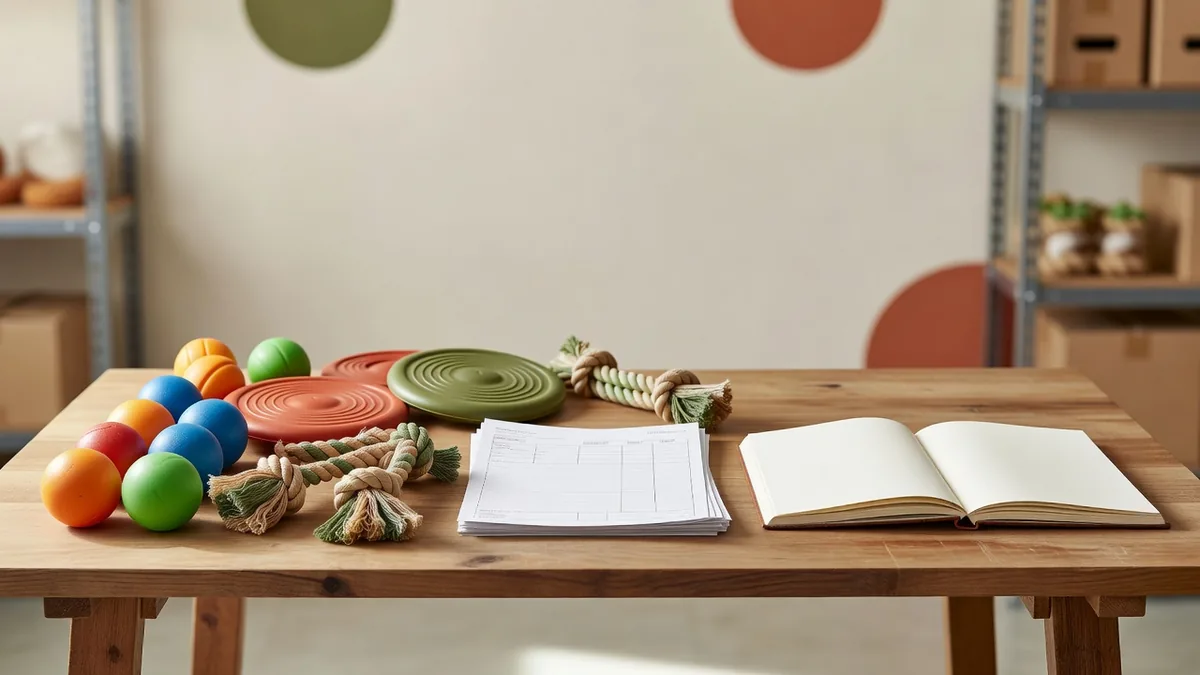
Treat the public facts as a map, not a pitch deck:
- Headquarters: Secaucus, NJ (commonly listed at Meadowlands Parkway)
- Pet brand face: NERF DOG, under a Hasbro collaboration / exclusive manufacturing claim on Gramercy’s NERF DOG site
- Product family: dog toys and related pet play goods sold through major retail and marketplace channels since the early 2010s
- Operating shape: US-based brand / design firm that manufactures and ships licensed assortments at retail scale
Import databases (for example shipment aggregators that list Gramercy Products) also show heavy China inbound volume over time, which is normal for US pet brands that design here and produce overseas. A long China import trail does not mean every SKU is made in one plant, and it does not mean you can buy “the same factory” by emailing a trading desk with a NERF photo. Licensed tooling, brand standards, and retailer pack-outs sit with the brand owner.
If your search intent was “find Gramercy Products LLC as a wholesale supplier for my store,” you are looking at a branded, licensed assortment model. Expect brand terms, assortment menus, and channel rules — not a blank-canvas OEM quote.
Why buyers type this keyword (and what they actually need)
People who land on Gramercy Products LLC tend to fall into a few buckets:
Retail and distributor buyers checking who owns the NERF DOG line, where the company sits, and whether the pack matches what their buyer sheet says. Marketplace sellers who saw “Gramercy Products” on Amazon or packaging and want to know if it is a factory they can private-label with. Short answer: licensed brand IP is not your private label runway. Sourcing and compliance teams reading import records (supplier names, China shippers, carton counts) while building a vendor file or competitive map. Brand founders comparing a US licensed toy brand’s go-to-market with a factory-direct path for their own logo, MOQ, and margin.Only the last two groups usually need a manufacturing conversation. For them, the useful question is not “how do I become Gramercy’s customer for custom molds?” It is “what can I learn from how a licensed US pet brand structures design, QC, and China production — and when should I hire an OEM/ODM plant instead?”
Browse construction families on the products catalog if you are mapping plush, rope, rubber, or hybrid bodies for your own line rather than chasing a licensed silhouette you cannot own.
Brand partner vs China OEM: pick the lane before you RFQ
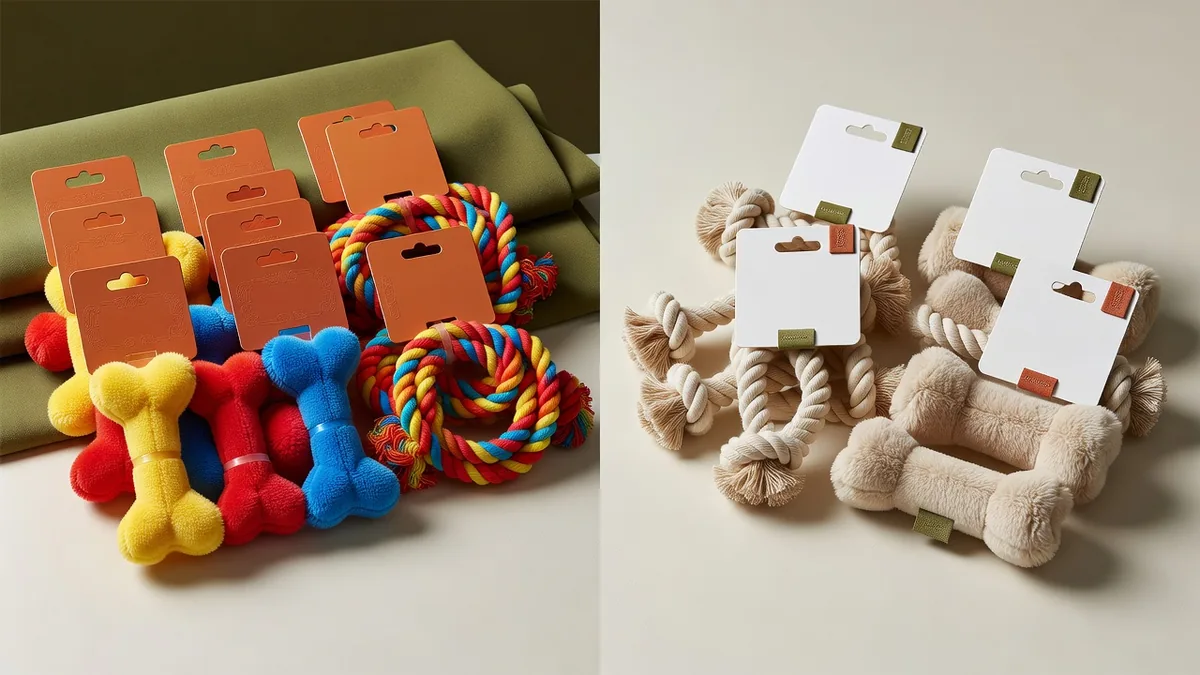
Licensed brand programs and factory OEM programs solve different problems.
| Need | Licensed US brand (e.g. NERF DOG / Gramercy model) | China OEM / ODM / private label |
|------|-----------------------------------------------------|----------------------------------|
| Own the silhouette and logo | No — brand and licensor control IP | Yes — if you fund development and clear IP |
| Fast retail-ready assortment | Often yes — existing line, known pack | Depends — open stock is faster; full custom is slower |
| Control FOB and materials | Limited — you buy finished brand terms | High — you write fabric, fill, Shore A, AQL |
| First MOQ for a new brand | Usually not the point of the relationship | Negotiable; often catalog-adjacent bodies first |
| Channel conflict risk | Real — brand protects retail maps | You own distribution (and the mistakes) |
If you need a recognizable licensed toy on shelf next quarter, talk to the brand’s wholesale or retail channel — not a random Alibaba listing that copied the colorway. If you need a house brand with your hangtag, woven label, and carton marks, start an ODM or private label brief with a plant that already runs pet toys at export QC standards.
Copying a NERF-adjacent look without a license is a legal and retailer-intake problem, not a clever sourcing hack. Stay in open-stock geometry or original art your counsel clears.
What import and supplier records actually tell you
Shipment histories for Gramercy Products often list China exporters (aggregators have named plants such as Zhangping-area toy/gift shippers among top counterparties) and large cumulative carton counts. Useful takeaways for a buyer building a vendor file:
1. Volume is real. Thousands of historical shipments imply a mature inbound program, not a one-off sample order.
2. Supplier lists change. Top shipper this year may not be the only plant in the network. Do not treat one ImportYeti row as “the factory.”
3. You still need your own QC. Brand-scale importers run their own standards. Your private-label PO needs its own golden sample, AQL, and lab timing.
4. FOB screenshots from lookalike SKUs lie. Licensed hardness, squeaker grade, and pack print are brand-controlled. A similar-looking open-stock ball can be a different compound entirely.
For your own program, ask the plant for: commercial invoice entity, pattern/mold ownership, share of output that is pet vs other soft goods, and who pays rework if AQL fails. Vague answers are a bigger red flag than a higher FOB.
Spec and QC habits worth stealing (without inventing their numbers)
You do not need Gramercy’s internal cost sheets to run a tighter RFQ. Borrow the discipline licensed brands are forced into by retail intake:
Write construction, not vibes. Target pet size, play style, material grade (TPR hardness band, plush GSM, rope strand count), squeaker type, and eye/nose method. “Soft and fun” is not a purchasable spec. Lock a pre-production sample. Photo sets plus a physical PPS signed against the PO beat “sales sample from last season.” Stage QC. Incoming materials, in-line checks, final AQL. For chew and fetch SKUs, add pull and small-parts thinking appropriate to your markets (US CPSIA-oriented chemical screens; EU REACH / toy-adjacent mechanical screens when retail treats the SKU as a toy). Do not invent certificates you have not ordered. Pack early. Hangtag, barcode scan, master carton marks, warning copy. Marketplace returns spike when pack-out photos do not match the unit that ships. Landed cost before celebration. Freight, duties, testing, and packaging erase “winning” FOB quotes every season.Those habits travel whether you buy a branded assortment or build private label in China.
When WagNab is the better next step than chasing a brand name
Use a Gramercy Products LLC search as research. Use a factory path when any of these are true:
- You need owned branding and carton identity under your company name
- Your first order is a trial carton or mixed-SKU pack, not a licensed wholesale menu
- You want to change materials, hardness, or embroidery without a licensor review cycle
- You are building a value or mid-tier ladder under a future premium line
WagNab manufactures pet toys for brand and wholesale partners — sampling through bulk — with paths for open stock, OEM/ODM development, and private label. Start from live assortment direction on products, map development on ODM services, or plan brand packaging on private label.
A useful first brief still looks the same as any serious RFQ: target pet and size, material preference, logo method, first-order quantity, destination market, and whether you need mixed cartons. That is enough to quote without guessing your product for you.
Practical decision checklist
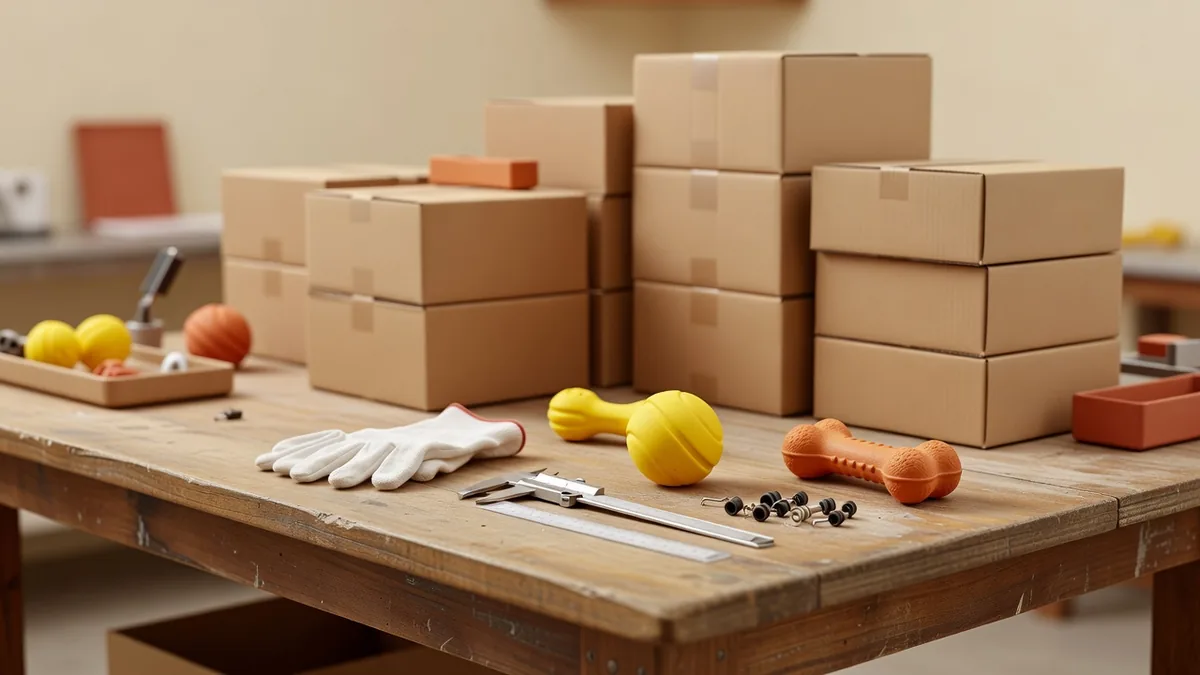
Before you spend another week on the keyword:
1. Confirm intent: buy NERF DOG branded goods, research a competitor, or build your own line.
2. If branded goods: contact the brand’s official wholesale / retail channel. Do not RFQ a lookalike plant with licensed photos.
3. If your own line: clear IP, then choose open stock vs ODM vs private label on purpose.
4. Put construction, QC, and pack in writing before deposit.
5. Run a simple landed-cost sheet; ignore unit price theater.
6. Keep one decision owner on your side so revision email does not kill the ship window.
Closing
Gramercy Products LLC is a real US pet brand operator behind NERF DOG with Hasbro — not a blank OEM catalog for custom logo balls. Import volume from China is part of how many US pet brands work; it is not a shortcut to their molds or licenses.If your job is to launch or refill a house brand, stop optimizing for a competitor’s legal name and start a factory conversation with a clear brief. When you are ready to talk MOQ, sampling, and pack-out for your SKUs, contact WagNab with destination markets and a one-page spec. We will map sample timing and flag compliance needs before tooling money is spent.
Ready to Build Your Next Collection?
From material selection to final delivery, we help brands bring pet toys to market.