Natural Rubber Dog Toys OEM: Map the Brief to Real Catalog Compounds

This is a material-bridge note for OEM and private-label buyers. It does not claim a lab grade, a Shore number, or a percent of natural latex. Those fields are not on the SKUs below. Where the record says TPR, the article says TPR. Where it says nature rubber, the article says nature rubber and tells you to confirm the blend on quote. Shapes to react to are on the products catalog.
Start from the compound name in the database
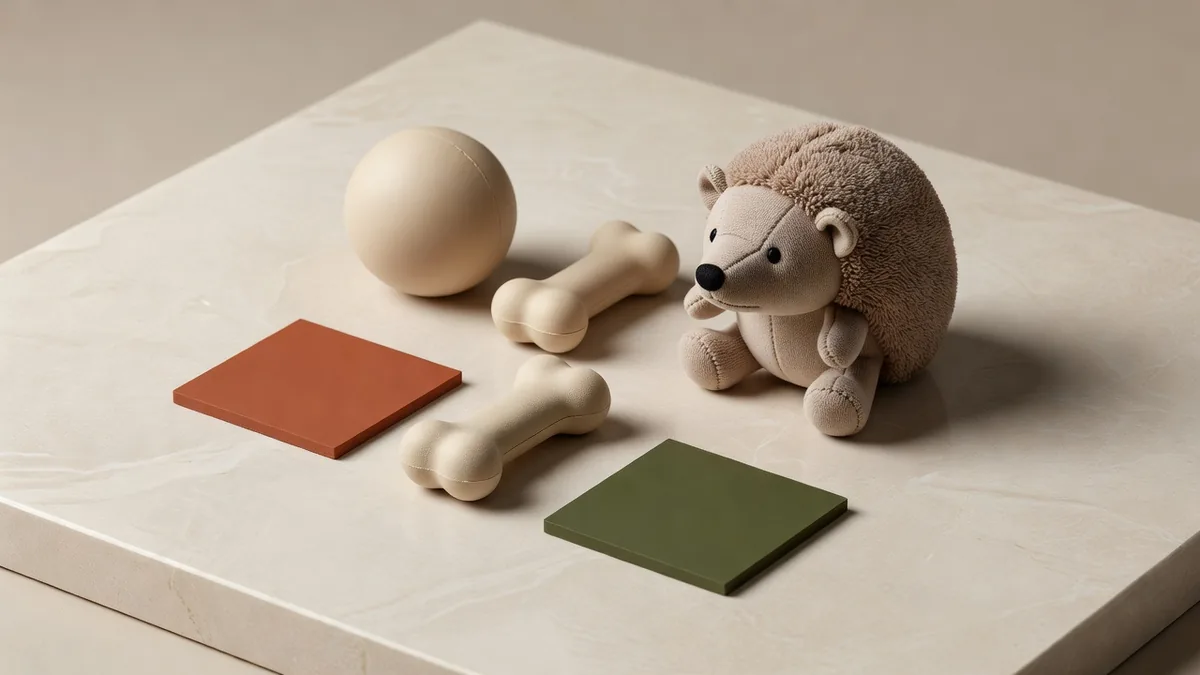
Open-stock “rubber” on this catalog clusters into three recorded labels.
TPR, molded, single material. Roll Rubber Ball — TPR, 7.8 cm, about 148 g, MOQ 120, Smart Play. Treat Rubber Ball — TPR, 8.5 cm, about 280 g, MOQ 120. Same family, different mass. A heavier ball is not a different marketing species; it is more compound and a different shipping weight. Rubber Bone Stick is TPR, 16×7, about 315 g, MOQ 120, Studio Warmth. Use the stored name on the PO so QC can match the sample. Hybrid, nature rubber named. Hedgehog — cotton and nature rubber, 11×13×8, MOQ 120, Smart Play, weight not recorded. Fillable Treat — silica gel and nature rubber, MOQ 120, size and weight not recorded. These are the SKUs that can honestly carry a “nature rubber” line in a spec sheet. They are not a license to relabel every TPR ball as natural rubber. Coated or fiber chew, not rubber. Coated Bone Chew is PA and PU, not a rubber ball program. Keep it in the durable bay. Mixing it into a “natural rubber” OEM story confuses both the lab and the retailer.If your brief says hemp cord or RPET face yarn, say so as a development target. Those materials are not the recorded face or cord on the toys above. Cotton, linen, nylon, TPR, and nature rubber are.
What OEM adds beyond reordering a ball
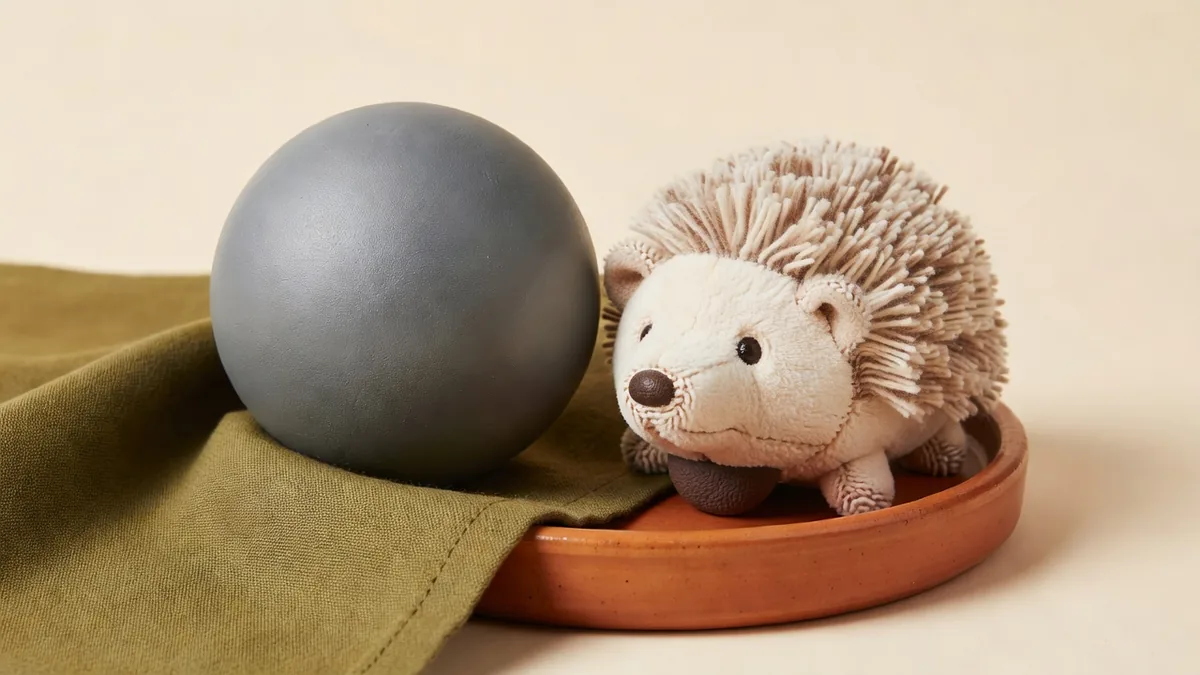
Reordering Roll Rubber Ball in a catalog color is purchasing. OEM starts when you change something the current cavity or textile set does not already do:
- A new outside diameter or a new wall, which means a mold, not a MOQ 120 color swap
- A specified hardness window — you must supply the target; the database does not store Shore A
- A hybrid rebuild of Hedgehog (different fabric, different rubber insert)
- A claim on pack (“natural rubber,” “latex,” “recyclate”) that has to match a document
Sampling order that keeps you honest:
1. Write the material name you will print (TPR, or nature rubber) and the SKU it maps to.
2. Approve a physical sample for color, odor, and flash on the parting line. Photos hide flash.
3. Lock size and weight from the record, or mark “confirm on quote” where the field is empty (Fillable Treat; Hedgehog weight).
4. Only then talk packaging dielines and a logo method (deboss, in-mold, hangtag). Ink on rubber is another material.
QC talking points that do not require invented lab data
On TPR balls, buyers can check without a lab: parting-line flash, short shot, color drift versus the approved chip, and weight versus the record (148 g and 280 g on the two balls above, within a tolerance you set on the PO). On Hedgehog, check that the nature-rubber component is actually present and seated, and that the cotton body matches 11×13×8. Do not publish bite-force numbers, phthalate ppm, or “food grade” unless a report for that lot is in your file.
Odor is a complaint driver on elastomer toys. Put “no strong chemical odor versus approved sample” in the QC note. That is a comparison, not a chemical identity.
How this sits next to chew and plush programs
Natural-rubber and TPR toys are one bay. They do not replace a fleece snuffle mat or a crystal plush gift. If the brand wall is soft goods, link shoppers to products and keep this OEM for the molded SKUs only. A common mistake is briefing one “eco material story” across plush, rope, and rubber. The purchase orders, the labs, and the MOQs are different.
FAQ
Is every rubber toy on the catalog natural rubber?No. Roll Rubber Ball, Treat Rubber Ball, and Rubber Bone Stick are recorded as TPR. Hedgehog lists cotton and nature rubber. Fillable Treat lists silica gel and nature rubber. Use the row you are buying.
What is the OEM MOQ?Catalog MOQ on these SKUs is 120. New tooling is quoted separately and can be higher. Do not assume 120 covers a new cavity.
Can you certify a Shore hardness?Not from the product database. If your spec needs Shore A, put the target in the RFQ and confirm on quote. Do not copy a number from another brand’s listing.
Where do I send the brief? Contact WagNab with the claim you want on pack, the SKU it maps to, and whether you need a new mold or a catalog color. We would rather correct the material name before sampling than after a retailer rejects the copy.When the compound name and the mold question are clear, send the RFQ through contact. Include channel, destination market, and whether the job is private label or ODM.
Ready to Build Your Next Collection?
From material selection to final delivery, we help brands bring pet toys to market.