ASTM F963 Pet Toys Manufacturer: How Buyers Vet Factories

Searching for an ASTM F963 pet toys manufacturer usually means you already know the lab report is not optional. You need a plant that can hold construction through bulk, book the right CPSC-accepted tests, and leave you enough time to issue a Children's Product Certificate before cargo cut-off. This guide is for brand owners, Amazon FBA sellers, and wholesale buyers who source plush, rope, TPR, or hybrid pet toys and want a factory shortlist that survives retailer onboarding—not just a pretty sample photo.
We already cover the clause-level standards in our CPSIA / EN71 / REACH checklist and the paperwork timing in pet toy certification. Here the focus is narrower: how to choose and manage the manufacturer when ASTM F963-23 sits in the RFQ.
What "ASTM F963 ready" should mean in an RFQ
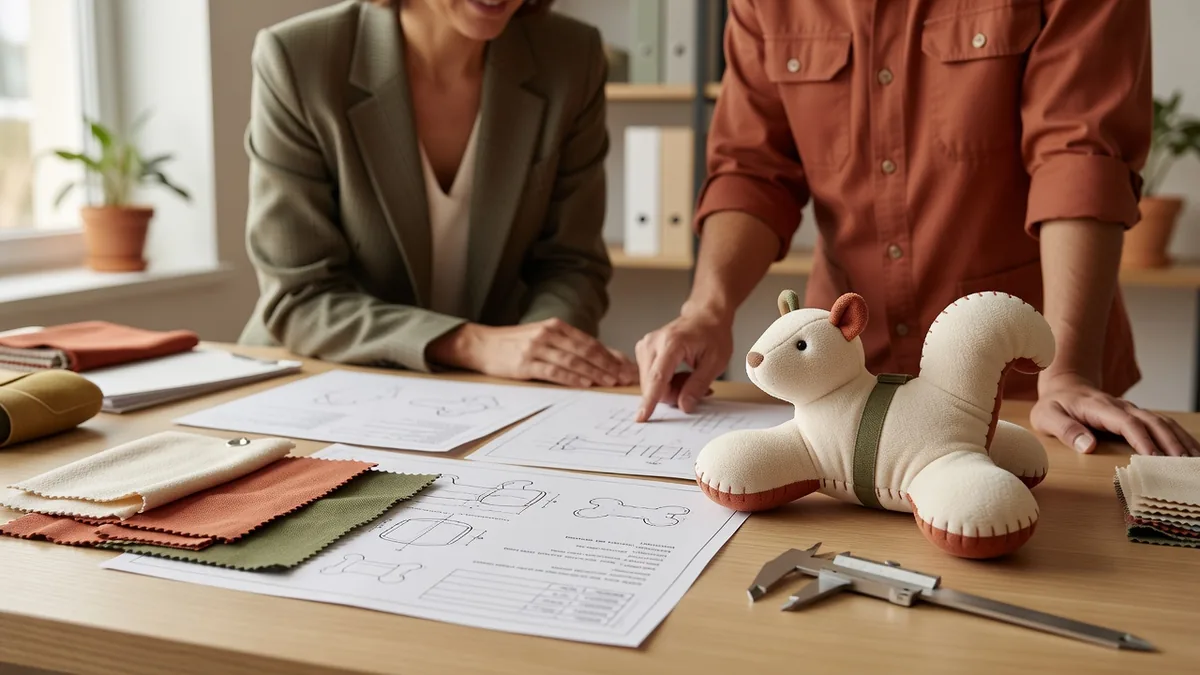
Factories love to say they are "ASTM compliant." Ask for specifics before you wire a deposit.
A usable answer names:
- The edition they plan against (ASTM F963-23 is the current mandatory reference under CPSIA for children's toys; older F963-17 reports do not clear new imports)
- Whether they treat your SKU as a children's product path or only as a pet product with voluntary screens
- Which construction families they already ship with F963 mechanical/physical, heavy-element, flammability, and sound panels on file
- Whether shared parts (squeakers, eyes, coatings) have component reports you can reuse across a colorway family
- Who books the CPSC-accepted lab, who pays retests after a material swap, and who issues the CPC (importer/domestic manufacturer—not the overseas plant alone)
If the plant cannot map a prior report to fabric GSM, TPR compound, print ink, and lot coding, treat the PDF as marketing. Browse live constructions on the products catalog before you freeze a silhouette; catalog-adjacent bodies often clear testing faster than a brand-new mold.
When pet toys get pulled into ASTM F963
There is no separate CPSC "pet toy" bucket. If a plush bone, pastel squeaker, or primary-color treat ball could reasonably appeal to a child, retailers and marketplaces often treat it like a children's product. That path brings lead and phthalate limits, ASTM F963 mechanical and chemical panels, tracking labels, and a CPC you sign.
Even when your lawyer argues pet-only positioning, big-box intake forms and Amazon document requests still ask for F963-aligned evidence. The safe commercial habit: write destination market and channel into the brief, then ask the factory which tests they already run on similar export lots. Do not invent pass/fail numbers in the RFQ—ask for method, lab name, and report date.
For EU add-ons, keep EN71 and REACH on a separate track. F963 and EN71-3 are not interchangeable (different element lists and methods). Plan both if you sell both regions.
Spec the brief before tooling money moves
Vague "make it cute and safe" briefs create samples that pass a desk review and fail after three weeks of real dogs—or after a lab finds a coating change.
Send something a production manager can price and test against:
Play and risk- Pet size band and play style (gentle tug, light chew, fetch, soft solo play)
- Whether the SKU faces unsupervised crate time
- Small-parts risk for the markets you sell into
- Body type: plush, rope, TPR/rubber, hybrid
- Fabric or compound grade; fill weight band if plush
- Squeaker model and pocket sewing rules
- Color lock method (Pantone, physical swatch, dye-lot note)
- Hangtag, woven label, polybag print, UPC/EAN placement
- Master carton marks and mixed-SKU rules
- Warning copy language for destination markets
- US children's-product path vs pet-only claim (state which you want the factory to plan for)
- Preferred lab network if you already have one
- Component testing vs finished-good testing only
- Who owns retests after Pantone or resin swaps
When specs are still fluid, use an ODM path so sketches become measurable constructions. When branded packaging and retail cartons ride with the same PO, plan a private label track so quotes include labeling and pack-out, not only bare FOB toys.
Materials that trip ASTM F963 programs
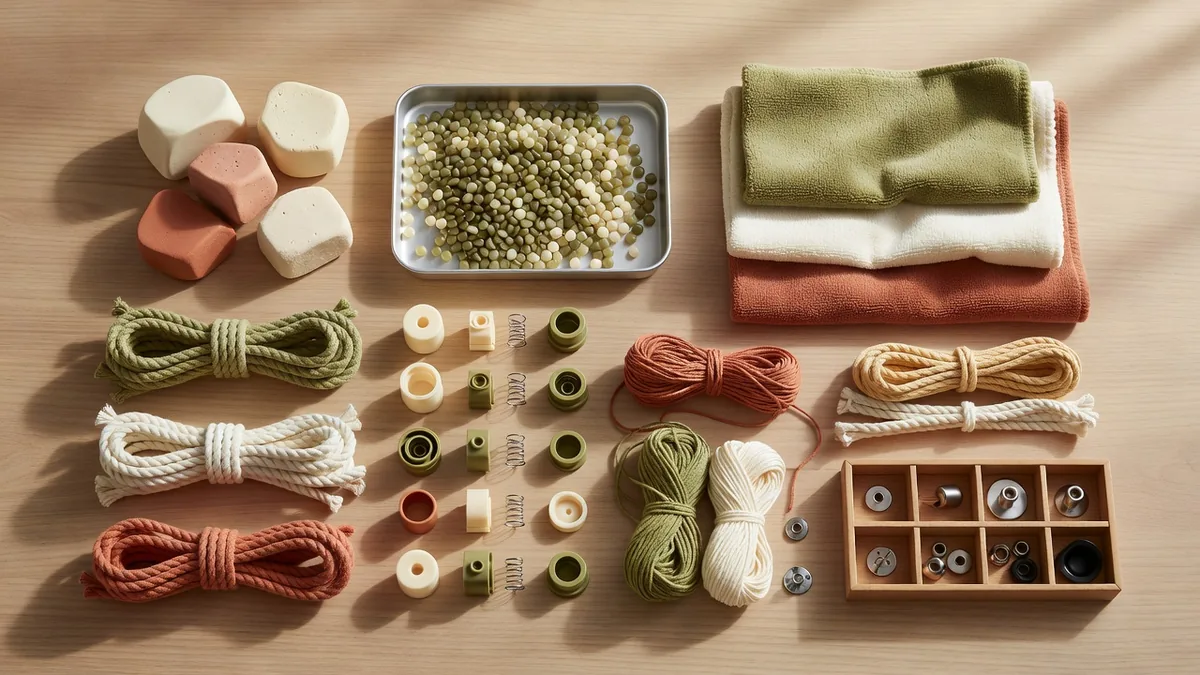
Most failed first labs are not "bad factories." They are uncontrolled sub-suppliers.
Watch these spots:
- Print inks and coatings — fabric can pass lead while the logo ink fails; lock ink SKU in the tech pack
- Soft PVC / vinyl squeakers — phthalate risk if the plant buys off-the-shelf bulbs
- Long-pile plush — flammability surface-flash behavior needs attention
- Eyes, noses, bells — torque/tension and small-parts failures show up here
- Battery modules — accessibility and abuse tests are non-negotiable after recent recall pressure on coin-cell products
- Sound — squeaker and electronic modules have decibel limits under F963
Ask the plant for a bill-of-materials that names compound and coating suppliers, not only "TPR" or "polyester." Component-part testing across a family cuts cost when ten SKUs share one squeaker.
Sampling timeline that leaves room for the lab
A workable first engagement with an ASTM F963 pet toys manufacturer looks like this:
1. Brief + material recommendation (a few business days) — factory flags high-risk parts early
2. Prototype / first sample — evaluate play feel; do not burn the full lab budget on a shape you will change
3. Revision sample — lock Pantone, fill weight, Shore hardness, seam method
4. Pre-production (golden) sample — this unit should match bulk and, ideally, the unit sent to the lab
5. Lab booking at a CPSC-accepted lab — schedule so reports land before cargo cut-off
6. Bulk with in-line and final inspection — photo evidence at each gate; keep an issue log for reorders
Budget freight both ways on samples plus lab fees. Full CPSIA suites (lead, phthalates, F963 mechanical/physical, flammability, heavy elements) often land in the low-to-mid thousands of USD per SKU depending on construction—confirm current quotes with your lab; do not treat a blog number as a PO line. Rush testing exists; it is priced like a problem because it is one.
Align lab timing with production so certificates are ready for booking, retailer portals, and marketplace uploads.
QC gates that keep the certificate honest
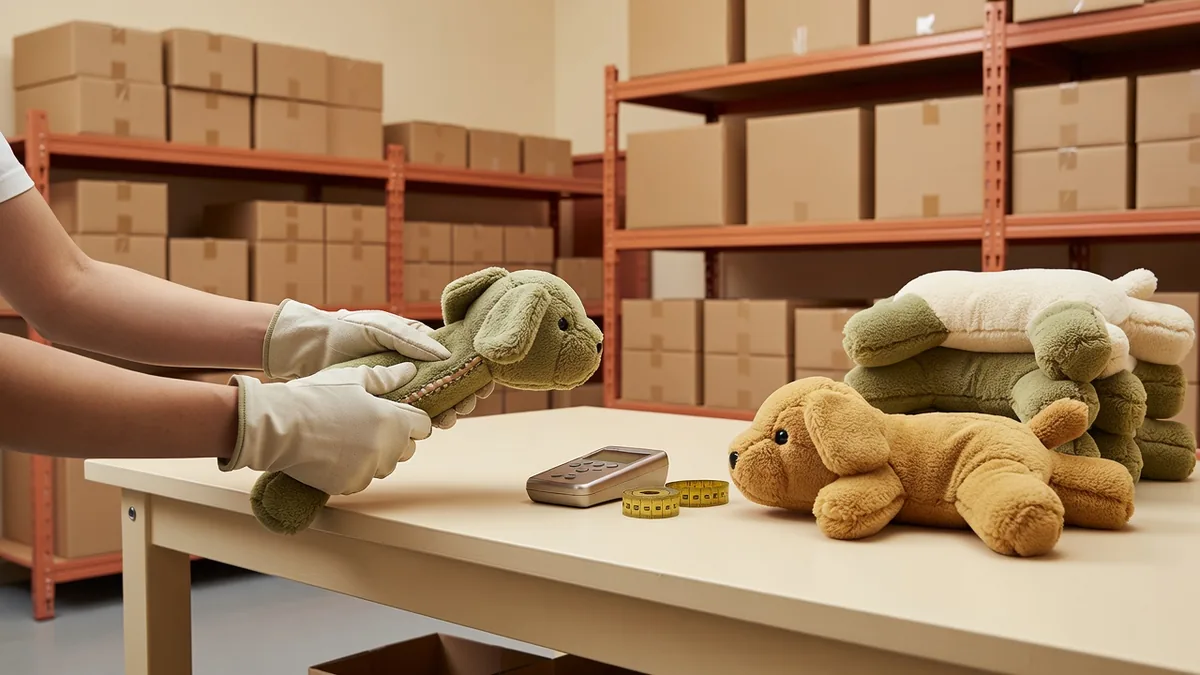
Paperwork fails when bulk drifts from the tested sample. Put QC into the PO.
Incoming materials- Fabric / rope dye lots against approved lab dips
- Rubber or TPR compound batch IDs that match what the lab saw
- Eye, nose, squeaker, and coating lots with declarations where your market needs them
- Seam strength on load zones; join strength on rope; flash cleanup on molded parts
- Stuffing weight tolerances and squeaker pocket integrity
- Color and logo placement against the signed golden sample
- AQL inspection against the approved sample
- Carton drop expectations and master-carton marks
- Photo or video pack of random cartons before seal
Document a simple AQL plan even on small trial orders—it trains the factory early. For durability checks buyers can run themselves before lab spend, see our companion note on dog toy testing.
CPC, tracking labels, and who actually owns compliance
After testing, the Children's Product Certificate is issued by the domestic manufacturer or importer. The overseas plant supplies reports and process evidence; you (or your US entity) still sign the CPC that lists applicable rules, test dates, and the CPSC-accepted lab.
You also need a tracking label on product and packaging that identifies manufacturer, production date/location, and batch/lot. If you cannot trace a defective unit back to a line shift, your tracking system is not good enough for a recall drill.
Write into commercial terms:
- Exact construction frozen for the tested lot
- Retest triggers (color change, resin grade change, new sub-supplier)
- Retention samples kept at the plant and at your warehouse
- Lead time buffer between final report and vessel cut-off
Factories that refuse lot coding or treat every Pantone swap as "same report" are not ready for F963-heavy retail.
Export pack-out that matches what you tested
Marketplace returns spike when pack-out photos do not match the shipped unit. Align early on:
- Inner polybag thickness and print
- Hangtags, care labels, barcode placement
- Master carton dimensions and drop-test expectations
- Multi-language warning copy for target markets
- Whether assortments mix SKUs that share component reports
If you sell on Amazon FBA, confirm that the unit in the listing photos is the same construction that went to the lab. Inconsistent packaging and silent squeakers are still top complaint drivers on pet toys.
Red flags when shortlisting an ASTM F963 pet toys manufacturer
Walk away—or at least slow down—when you hear:
- "We are certified" with no edition, no SKU map, and no lab name
- Willingness to put your logo on an untested stock mold "for next week"
- No written method for seam / torque / tension checks
- Sub-suppliers that change without notice
- Quotes that omit lab time from the ship window
- Pressure to book freight before the golden sample is signed
Good partners push back on unsafe briefs. That friction is a feature.
How WagNab runs custom and wholesale programs
WagNab builds pet toys for brand and wholesale partners—from material selection through sampling and bulk. Review constructions on our products catalog, development flow on ODM services, and branded packaging paths via private label.
Teams evaluating an ASTM F963 pet toys manufacturer usually start with a short brief: target pet, material preference, logo method, first-order quantity, destination market, and whether a children's-product test path is required. From there we map a sample plan and flag compliance needs before tooling money is spent.
Decision checklist before you place the PO
- Spec sheet signed and versioned
- Golden sample approved in writing (photos + physical if needed)
- Lab plan named (methods, lab, who pays retests)
- QC plan and AQL agreed
- Packaging dieline and warning copy approved
- Lot coding / tracking label plan written
- Incoterms, payment terms, and lead time in the PO
- Buffer for one revision cycle without killing the launch window
If any item is still verbal-only, pause. Most post-shipment disputes on pet toys come from unwritten assumptions, not from bad intent.
When you are ready to talk MOQ, sampling, and F963-aligned lab timing, contact WagNab with your brief and target markets. Share the construction family and channel; we will reply with a realistic sample path and the compliance questions your PO should already answer.
Ready to Build Your Next Collection?
From material selection to final delivery, we help brands bring pet toys to market.